Sivu on muuttanut uuteen osoitteeseen

DANCES WITH KANGAROOS

Sunday, March 27, 2011

Back to Melbourne via the Great Ocean Road

The next day we visited Rohan's sister in Warrnambool. Warrnambool is a lovely small town on the water. It is situated on the south-west coast of Victoria, near the western end of the Great Ocean Road. It is known for whale watching from June to September. Southern Right whales swim only a hundred meters from the beach. You can also see seals and dolphins. We went for a walk to see the beautiful coastline.

We drove through the Great Ocean Road quite quickly and didn't stop to see everything this time. The road was as winding as I remembered. The first stop was the Bay of Islands that really takes your breath away. Pictures don't really do justice, and that is why I have a video for you people (below)!


Loch Ard Gorge is my favourite place on the Great Ocean Road. It was named after one of the most infamous shipwrecks in the area. 52 people were killed and only two miraculously survived. Tom was washed into the Loch Ard Gorge and saved Eva, who couldn't swim. The story is tragic but really fascinating.


The 12 Apostles was as packed with tourists as usual. 


The Great Ocean Road is one of the things you shouldn't miss when you travel to Melbourne. But one or two days on the road is not enough. I've been there twice now but still there are places that I haven't seen and would like to go back to. Rainforests, beaches, holiday towns, wildlife, not to mention the stunning coastline. 

The same day we were back in Melbourne. After two months on the road it felt really strange to be home, although I did enjoy the relative warmth of my apartment. Melbourne was getting ready for winter and I had to start preparing for leaving Australia, my second home.

Labels: , , , , , , , , , , , ,

Monday, February 28, 2011

Anna in Wonderland - The Grampians part I

The Grampians is a series of mountain ranges 235 km west of Melbourne. Yes, we were getting closer to home. And it was getting really cold, too! We arrived during sunset and saw heaps of kangaroos.


The next day we started exploring. First we went to see the MacKenzie Falls


After that we did some walks and saw some amazing scenery.... 

Space to breathe!

More pics coming up soon!

Labels: , , , , , , , , , , , ,

Monday, February 14, 2011

Wine Tasting in Clare Valley

Before arriving in Adelaide, we stopped in Clare Valley for some wine tasting and a bike ride.


The Clare Valley is one of Australia's oldest wine regions, with more than 40 wineries and vineyards. We only visited one this time. It was a jesuit-owned winery called Sevenhill, and it was the oldest one in the area. Very picturesque and charming place.


We hired some bikes and went for a 40 km bike ride. After spending 3 months just sitting in a car, some exercise felt good. 


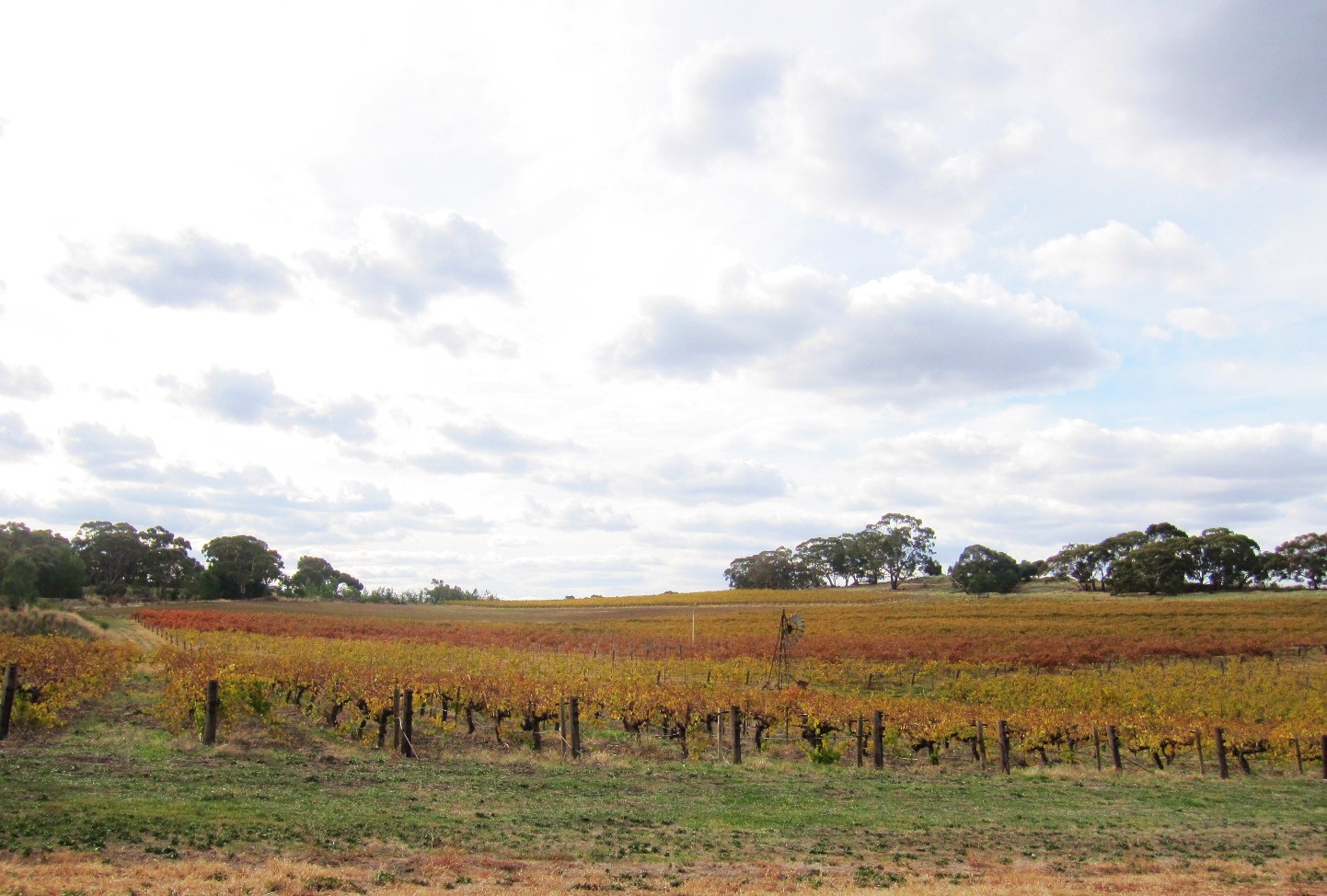
It was a really nice day, beautiful place and all the trees in autumn colours. 

Labels: , , , , , , , , , ,

Tuesday, February 1, 2011

Kings Canyon

The next day we drove to Kings Canyon. Kings Canyon is a part of Watarrka National Park. We did a 3-4 hour walk around the top of the Canyon. It was a hot day, and the walk started with a really steep climb that the locals call 'Heart Attack Hill', but it was one of the best walks we did during our trip, if not the best. 

The walls of Kings Canyon are 300 metres high. Needless to say, the views were AMAZING. 


Beehive rock formations called the 'Lost City'. Doesn't look like it belongs on this Earth. 


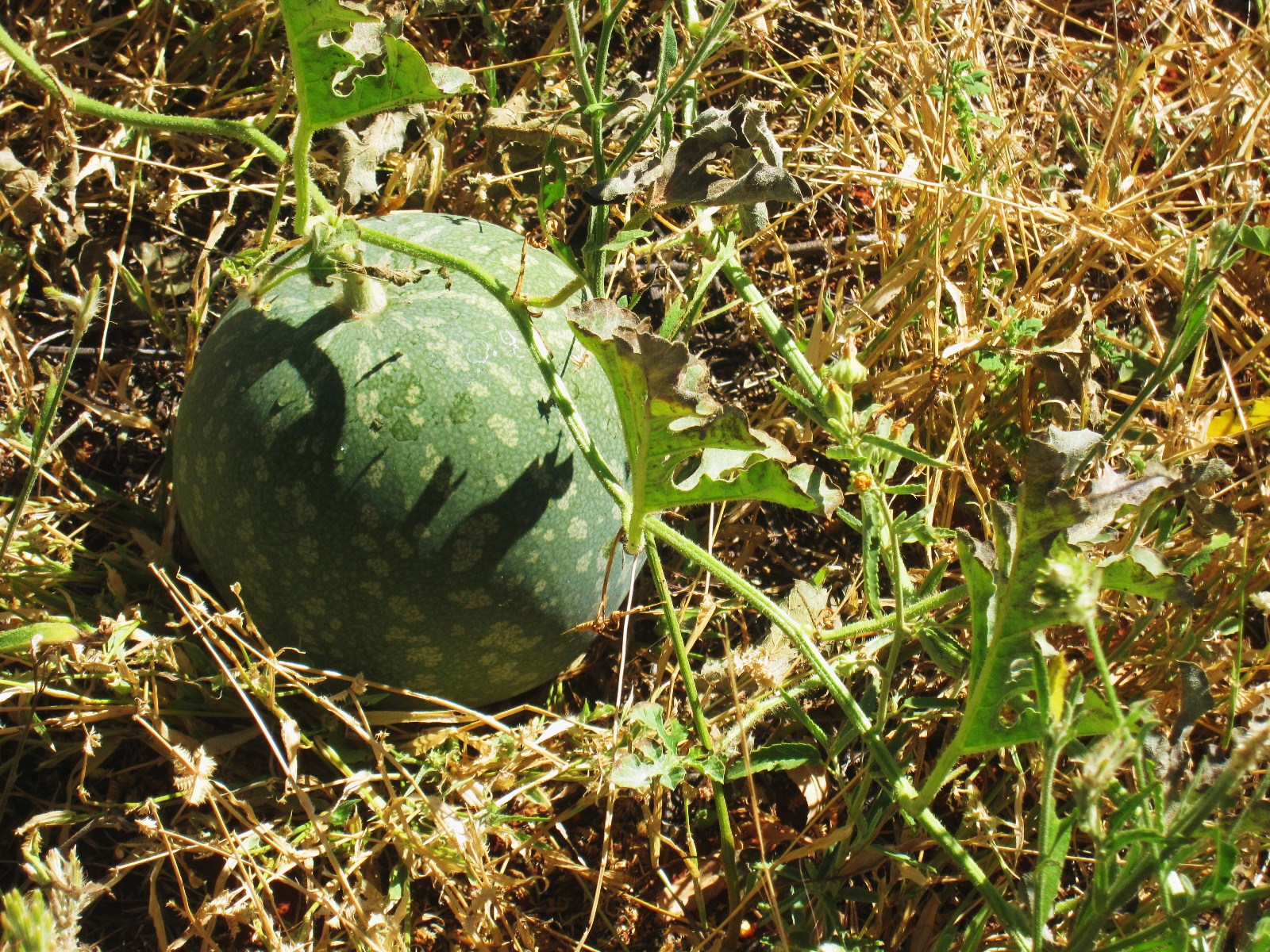
Wild watermelon!

Labels: , , , , , , , , , , , , ,

Monday, January 10, 2011

The Big Red Rock part II

We watched Uluru change color as the sun set.


We drove to the closest free campsite, which was 50 km away. The next morning we got up early to see the sunrise. I think Rohan had some serious difficulties in getting me up before 5 am. The sunrise was gorgeous, but we were on the wrong side of the Rock to get it in the same photo. The nights were really cold.


We started the day with a short ranger guided walk, where the guide showed us some of the sacred sites around Uluru and told us a great deal about the aboriginal culture. The walk was free, and the ranger seemed to know a lot about the aboriginals. There was also longer guided walks available with an aboriginal guide, but they were too expensive for us. 


After that we did the walk around Uluru, about 10 km. It was a hot day and the amount of flies trying to invade our eyes, noses and ears was, well, slightly disturbing!! I'm not exaggerating when I say that at any given minute there was at least 50 flies on me!! Still, it was worth it! We saw some waterholes, aboriginal paintings and carvings, and many sacred places that you weren't allowed to take photos of.


That night we had booked a campsite at the only campground close by, Ayers Rock Resort. It is an overpriced rip-off place, but we needed a shower. Besides, I do think it is a good thing that they are setting some limits on the tourism infrastructure and protecting the park. 

Labels: , , , , , , , , , , , , ,

Tuesday, December 28, 2010

The Big Red Rock

In the morning we drove to Uluru-Kata Tjuta National Park. We first spotted the big red rock from 50 km away.


There, in the middle of flat wilderness, the Australian icon, a huge red rock pokes out of the land 350 metres high. We bought a 3 day pass to the park.

We started from the Cultural Centre where we learned about aboriginal culture, beliefs and their way of life. The Anangu traditional owners have been in the area for tens of thousands of years and they are one of the oldest human societies on earth.


Uluru has a deep spiritual and cultural meaning for the Anangu people. The foundation of Anangu culture is Tjukurpa, somewhere referred to as Dreaming or Dreamtime. Tjukurpa is their law and it defines the rules of behavior and relationships between people and people and the land. Tjukurpa explains how these relationships came to be, what they mean and how they must me maintained. Tjukurpa refers to the time of creation as well as present time.

Aboriginal art on the Rock

A great deal of the Anangu Tjukurpa is related to Uluru and Kata Tjuta. There are many sacred sites and mythologies surrounding both rock formations.

When we went there, you were able to climb the rock if the weather conditions allowed it. Soon the climb will be prohibited. Dozens of people have died climbing Uluru, and the Anangu people have requested people not to climb as it is a very sacred place for them.


I didn't want to disrespect the traditional owners' culture so I stayed down. I thought it is a bit like going to a church and sitting on the altar. The aboriginal people don't build temples, their church is in nature itself. But here is a couple of photos Rohan took from high up.


TO BE CONTINUED...

Labels: , , , , , , , , , , , ,

Tuesday, December 21, 2010

The West MacDonnell Ranges part II

The third day we started heading back to Alice, stopping at some beautiful and interesting spots along the way. 


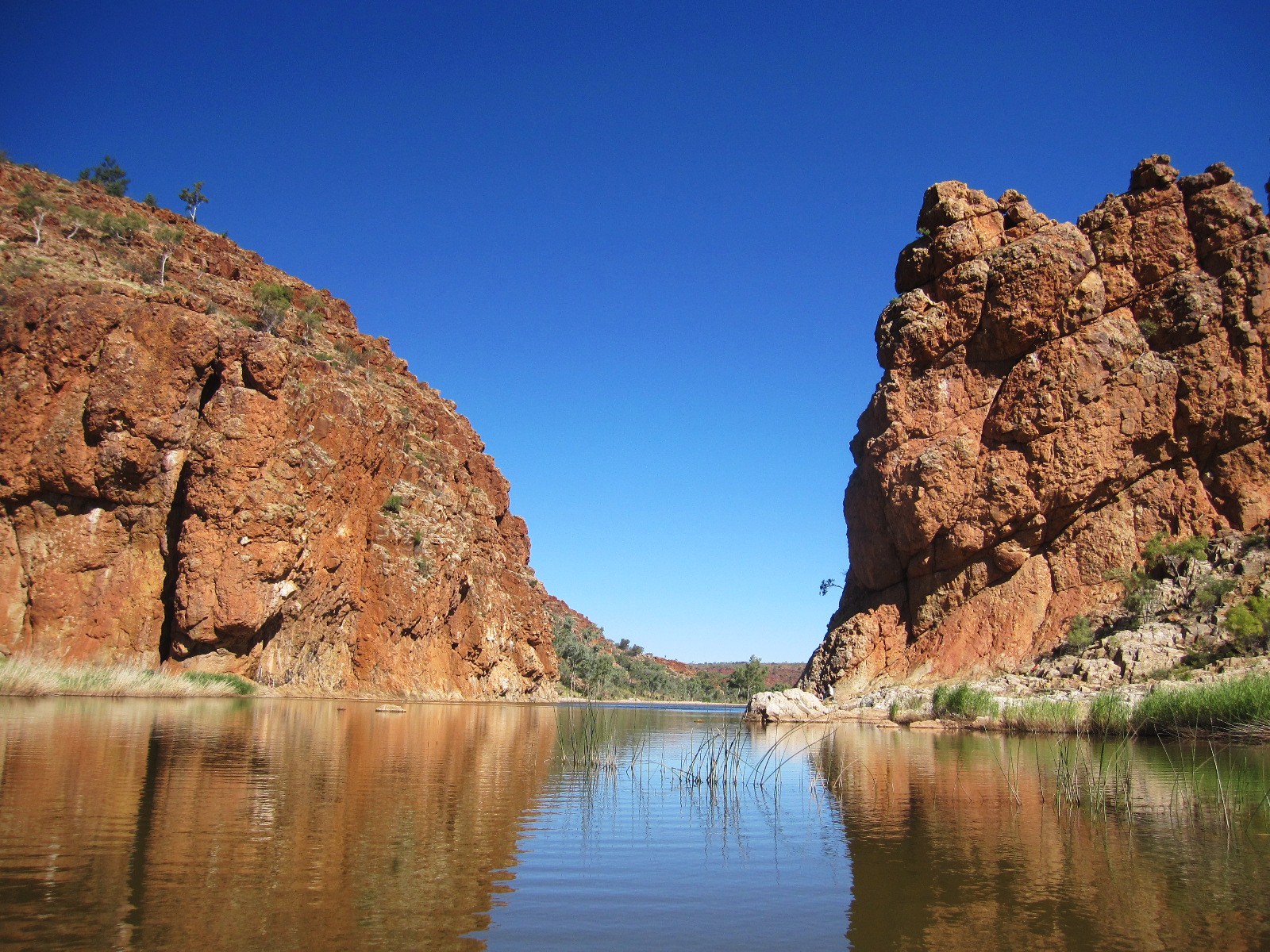
Ellery Creek Big Hole is a big waterhole surrounded with red cliffs and gum trees. 


Ochre Pits is a colourful outcrop of ochre on the banks of a dry river. Aboriginals use ochre for several purposes from painting to medicine. 


We climbed up the Serpentine Gorge and had some stunning panoramic views. Everything around us was so peaceful, with the sunshine flowing into the trees... I think we were without a care in the world.


It is amazing how climbing a hill can give you such perspective to everything. Everybody should do that every now and then.


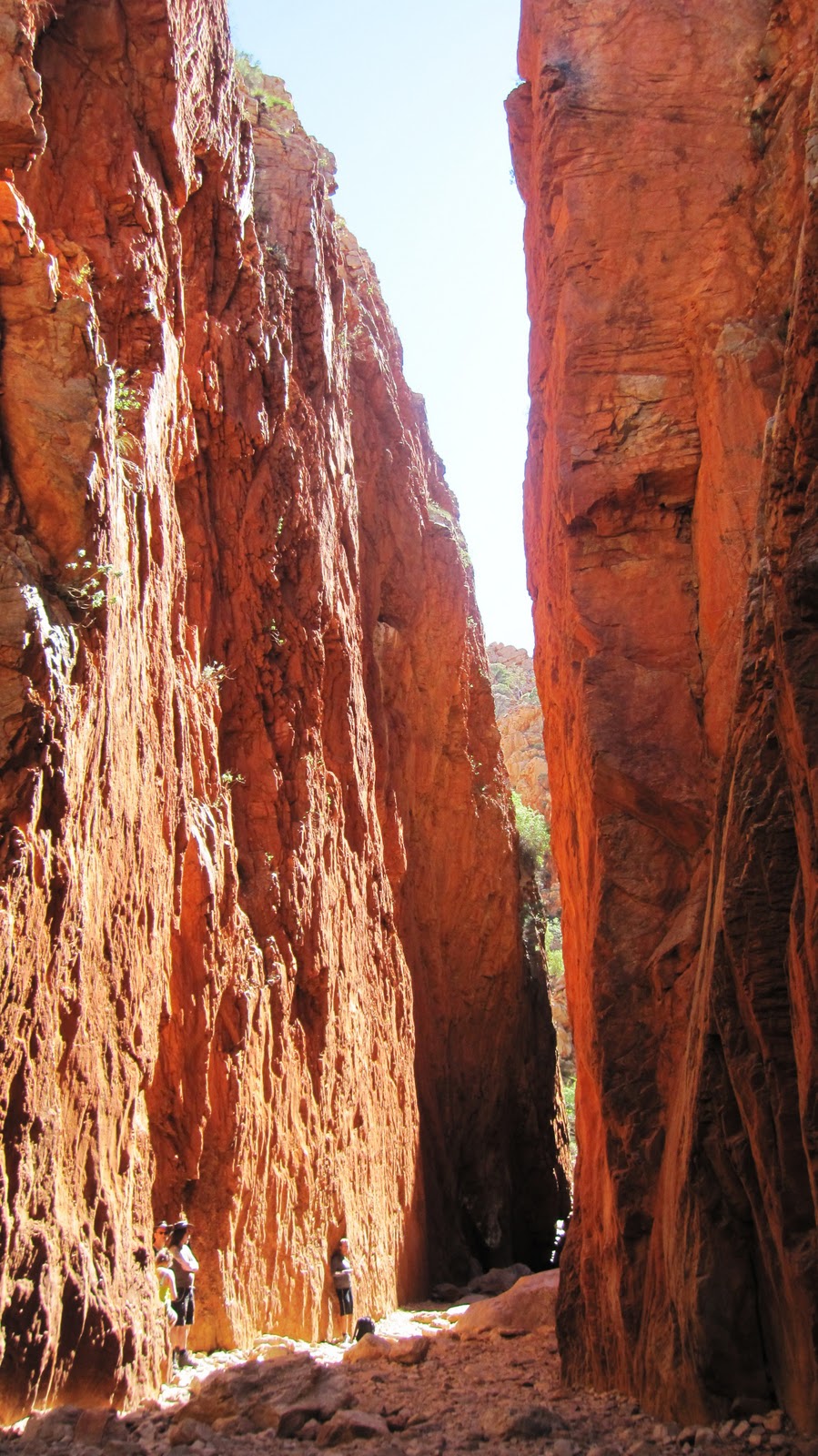
Standley Chasm is a deep red cleft with 80 metres high slopes, formed by floods over millions of years. The walls glow from sunlight. We did a short walk that ended in a sign that said "DO NOT PASS THIS POINT. If you do, you risk serious injury or DEATH.". To Rohan, this kind of sign is apparently an invitation. So up we climbed. And got back alive. 


Simpsons Gap is one of the most prominent gaps in the area. We also saw some black-footed rock wallabies jumping on the cliffs along the walking track. 


The West MacDonnell Ranges are a beautiful, peaceful spot to make long walks and totally empty your mind. 

Look deep into nature, and then you will understand everything better... -Albert Einstein

Labels: , , , , , , , , , , ,

The Red Centre

After 10 days of driving from Cairns we finally reached the Red Centre of Australia. Alice Springs, with only 27,000 people is the unofficial capital of Central Australia and is situated in the geographic centre of Australia. 

Alice Springs is a nice little town, a mix of old-style buildings and modern shopping centres. It is also the aboriginal art capital of Australia, and the streets are full of art shops one after another. For the flocks of tourists there are also tour operators and travel agencies in every corner. 


Approaching Alice we ran into these signs. Alice Springs is a dry zone, and that means you will get a heavy fine for drinking in public or carrying too much alcohol with you. You see, the indigenous Australians in the area (25% of the population in Alice Springs) like the booze a bit too much. So the town is trying to reduce alcohol-related problems with these new laws. For instance, bottle shops don't open until 2 pm and you can only buy cask wine after 6 pm, and only 2 litres per person. But when we visited the local Bottle-O, to us it seemed like the liquor was still flowing among the aboriginals despite the laws. 

But we only did a quick stop in Alice this time and moved on to the West MacDonnell Ranges for a couple of nights. 

Labels: , , , , , , , , , , , , , , , ,