Sivu on muuttanut uuteen osoitteeseen

DANCES WITH KANGAROOS

Tuesday, February 1, 2011

Kings Canyon

The next day we drove to Kings Canyon. Kings Canyon is a part of Watarrka National Park. We did a 3-4 hour walk around the top of the Canyon. It was a hot day, and the walk started with a really steep climb that the locals call 'Heart Attack Hill', but it was one of the best walks we did during our trip, if not the best. 

The walls of Kings Canyon are 300 metres high. Needless to say, the views were AMAZING. 


Beehive rock formations called the 'Lost City'. Doesn't look like it belongs on this Earth. 
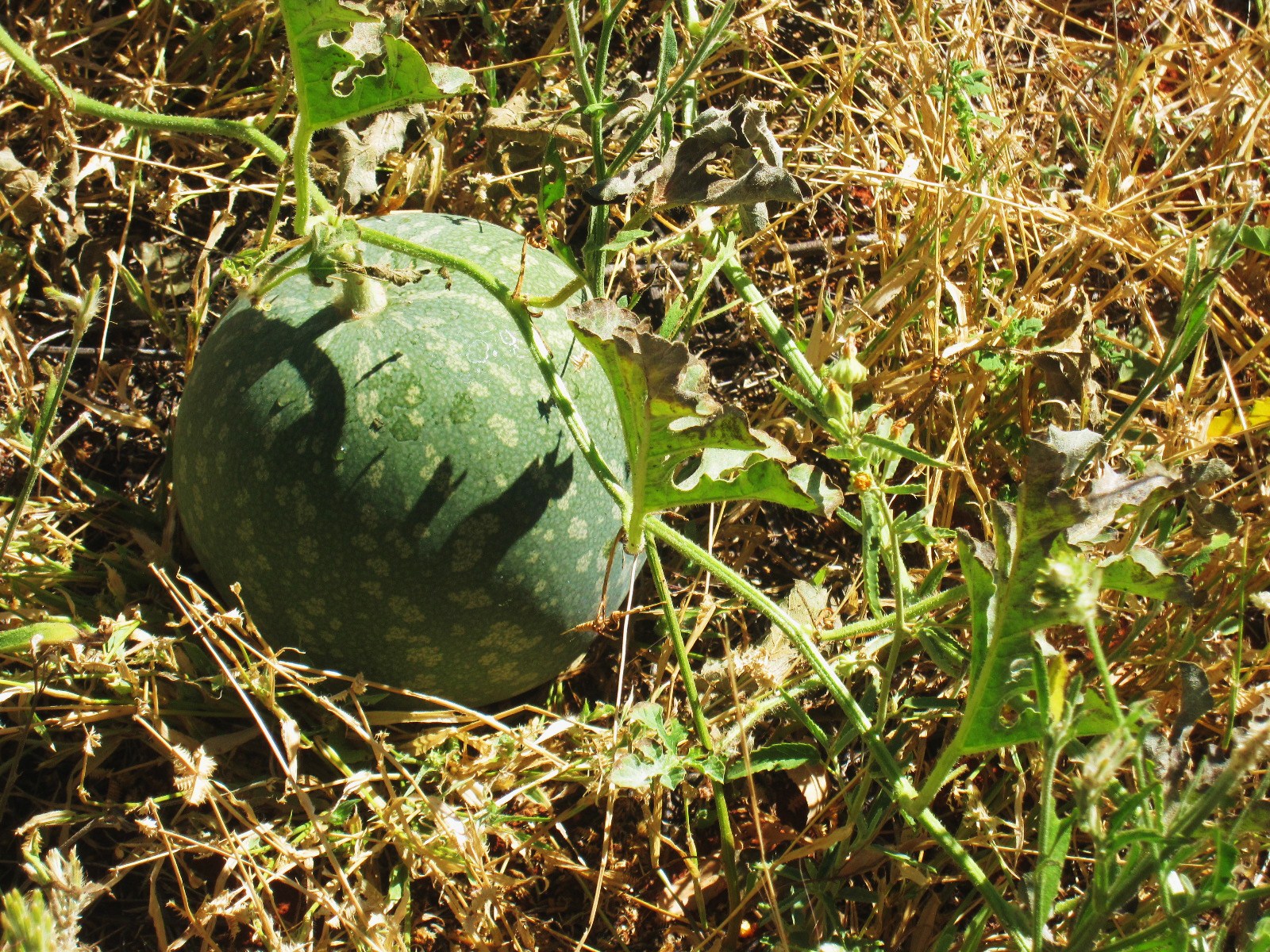

Wild watermelon!

Labels: , , , , , , , , , , , , ,

Tuesday, December 28, 2010

The Big Red Rock

In the morning we drove to Uluru-Kata Tjuta National Park. We first spotted the big red rock from 50 km away.


There, in the middle of flat wilderness, the Australian icon, a huge red rock pokes out of the land 350 metres high. We bought a 3 day pass to the park.

We started from the Cultural Centre where we learned about aboriginal culture, beliefs and their way of life. The Anangu traditional owners have been in the area for tens of thousands of years and they are one of the oldest human societies on earth.


Uluru has a deep spiritual and cultural meaning for the Anangu people. The foundation of Anangu culture is Tjukurpa, somewhere referred to as Dreaming or Dreamtime. Tjukurpa is their law and it defines the rules of behavior and relationships between people and people and the land. Tjukurpa explains how these relationships came to be, what they mean and how they must me maintained. Tjukurpa refers to the time of creation as well as present time.

Aboriginal art on the Rock

A great deal of the Anangu Tjukurpa is related to Uluru and Kata Tjuta. There are many sacred sites and mythologies surrounding both rock formations.

When we went there, you were able to climb the rock if the weather conditions allowed it. Soon the climb will be prohibited. Dozens of people have died climbing Uluru, and the Anangu people have requested people not to climb as it is a very sacred place for them.


I didn't want to disrespect the traditional owners' culture so I stayed down. I thought it is a bit like going to a church and sitting on the altar. The aboriginal people don't build temples, their church is in nature itself. But here is a couple of photos Rohan took from high up.


TO BE CONTINUED...

Labels: , , , , , , , , , , , ,

Saturday, December 25, 2010

Mt Conner

It was a long drive to the big red rock. It must have been boring for Rohan, who had to do all the driving since I don't have a licence. I really enjoyed sitting in the van, listening to music and watching the sun set and the trees turn into silhouettes. 


When it got dark, we pulled over to a rest area for the night, an hour's drive from Uluru (Ayers Rock). In the morning we woke up to a nice view right from the van window! No, not Uluru just yet, it was Mt Conner. 


Rohan woke up during sunrise and took these pics. As those of you who know me know very well,  I don't care if the Ayers Rock just exploded, I'm not getting up at 5 AM to see absolutely ANYTHING.


Mt Conner is a gigantic flat-topped monolith, actually three times larger than Uluru. Access to Mt Conner is currently restricted.


Red sand, dry spinifex country, not many trees around!


Coming up: The world's most renowned red sand formation!


PS. Merry Christmas everyone!

Labels: , , , , , , , , ,

Tuesday, December 21, 2010

The Red Centre

After 10 days of driving from Cairns we finally reached the Red Centre of Australia. Alice Springs, with only 27,000 people is the unofficial capital of Central Australia and is situated in the geographic centre of Australia. 

Alice Springs is a nice little town, a mix of old-style buildings and modern shopping centres. It is also the aboriginal art capital of Australia, and the streets are full of art shops one after another. For the flocks of tourists there are also tour operators and travel agencies in every corner. 


Approaching Alice we ran into these signs. Alice Springs is a dry zone, and that means you will get a heavy fine for drinking in public or carrying too much alcohol with you. You see, the indigenous Australians in the area (25% of the population in Alice Springs) like the booze a bit too much. So the town is trying to reduce alcohol-related problems with these new laws. For instance, bottle shops don't open until 2 pm and you can only buy cask wine after 6 pm, and only 2 litres per person. But when we visited the local Bottle-O, to us it seemed like the liquor was still flowing among the aboriginals despite the laws. 

But we only did a quick stop in Alice this time and moved on to the West MacDonnell Ranges for a couple of nights. 

Labels: , , , , , , , , , , , , , , , ,